
Stock and Custom Skin Boards
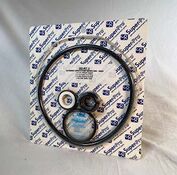
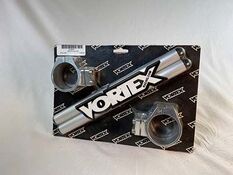
Skin Packaging is designed to protect your product and represent your company brand for hardware, industrial parts, and kitted items. The beauty of Skin Packaging is it’s versatility.
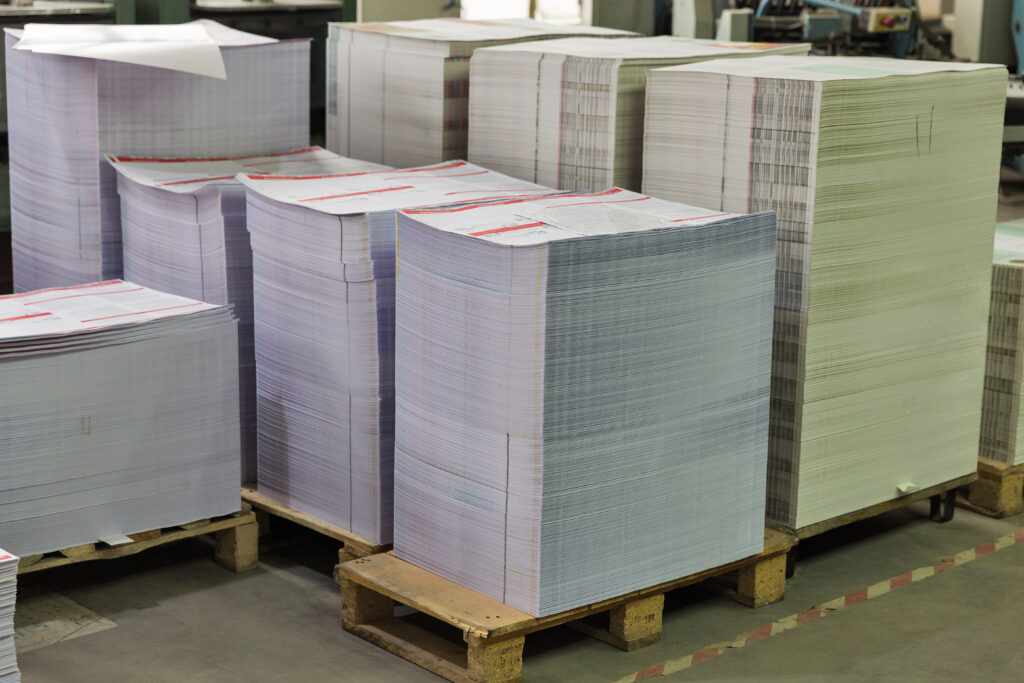
We process both plain and custom-printed skin board in a variety of materials and thicknesses. The boards that we offer include .024″ standard skin board for lighter products and .125″ corrugated cardboard skin board for heavier or more demanding applications. Not every skin board is created equally though. Each material has it’s own strengths and weaknesses.
We produce all the board here in Clearwater, FL. We’ve spent over 40 years perfecting the process to provide you with the best quality skin packaging board available. Manufacturing here, instead of reselling, allows us the ability to control quality from start to finish. Designs can range from plain boards to simple repeating logos called scatter prints) to full dedicated card layouts, depending on the application.
We’ll teach you the process, explain your options, and provide ballpark pricing early so you can make informed decisions. We’re not a used car lot. Our goal is to build long-term relationships. That goal starts with trust.
Our facility prints the board, applies the heat-seal coating, tests for performance, and ships — often in as little as two weeks, with production runs starting as low 500 sheets for custom prints.
For more information or to discuss your project, please contact us.
Custom Skin Boards
We offer custom runs of as little as 500 sheets with the capability of multiple sizes and thicknesses. As a result, you can buy what you need. Options range from one-color scatter sheets to four-color process printing. Thickness include .024, ,048 and 32ECT Corrugated.
Stock Skin Boards
Stock boards are available in white, Red, Blue, Black and yellow.
Skin Packaging Cardboard Thickness
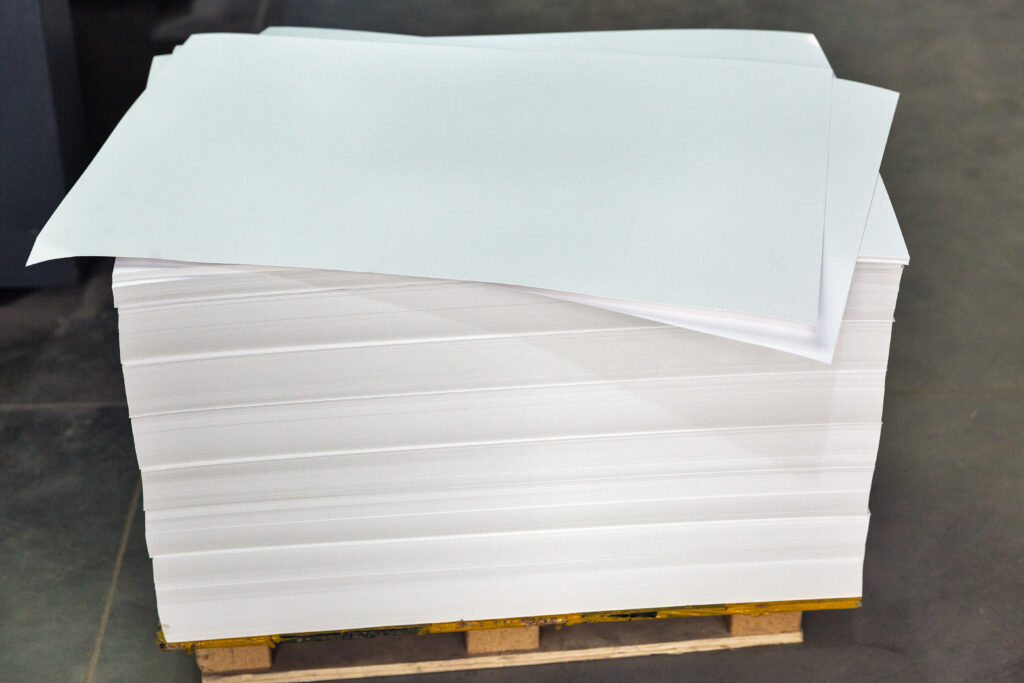
We print on virgin white .024 skin board that is manufactured just for skin packaging and does not need unsightly punctures for airflow, so your graphics can look better. We can also laminate those sheets to other sheets or to corrugated cardboard to create a variety of strengths with a consistent look. Plain or printed corrugated with perforations, is also available for packages with more strength.
Printed In-House
All of our standard skin boards are printed and processed at our facility, where we’ve been producing skin packaging supplies since 1984. We won’t farm your work out to someone else.

Sizes We Offer
- 17.875 X 23.875 X .024
- 17.875 X 23.875 X .048
- 17.875 X 23.875 X .024 Laminated to 32ECT Corrugated
- 23.875 X 29.875 X .024
- 23.875 X 29.875 X .048
- 23.875 X 29.875 X .024 Laminated to 32ECT Corrugated
- 17.875 X 23.875 X 32ECT Corrugated
- 23.875 X 29.875 X 32ECT Corrugated
What is the difference between Skin and Blister Packaging?
Skin packaging and blister packaging are two different types of
packaging commonly used in the retail industry to showcase and protect
products. The main differences between these two packaging methods are:
1.
Process: Skin packaging involves placing a product on a
cardboard backing and covering it with a clear plastic film that is heated
until it conforms to the shape of the product, creating a vacuum seal around
it. Blister packaging, on the other hand, involves placing a product in a
pre-formed plastic blister or cavity and then sealing it with a cardboard
backing.
2.
Appearance: Skin packaging typically offers a clearer view of
the product, as the plastic film is tightly wrapped around it, while blister
packaging offers a more three-dimensional view of the product, as it is
contained within a raised plastic cavity.
3.
Protection: Skin packaging provides better protection against
dust, dirt, and other contaminants, as the plastic film is vacuum-sealed around
the product. Blister packaging, on the other hand, offers better protection
against moisture and tampering, as the product is completely enclosed within a
sealed plastic cavity.
4.
Cost: Skin packaging is generally less expensive than blister
packaging, as it requires less plastic and cardboard material.
Overall,
both skin packaging and blister packaging have their own advantages and
disadvantages, and the choice between the two depends on the specific product
being packaged and the desired outcome.
